Blogs
We share with you the latest industry trends, try to solve all your questions about flexible packaging machines and printing machines as well. Read our blogs to keep abreast of what’s new in the industry and in Zonbon.

Abstract: The center-seal four-side seal gusseted bag, a flexible packaging type with a complex structure, excellent sealing, and strong three-dimensional effect, is widely used in fields such as food, daily chemicals, and industrial parts that require high protection and good display properties. This article systematically elaborates on its professional manufacturing methods from aspects including material selection, structural design, key plate-making points, production process flow, and critical quality control points, aiming to provide packaging engineers and production personnel with a rigorous, operable technical reference.
Before delving into the manufacturing process, it is essential to clarify the basic concept of gusseted bags and their specific structure.
Gusseted Bag: Also known as a stand-up pouch or fold-edge bag, it is characterized by having foldable "gusset" style pleats on the sides or back of the bag body. When the bag is filled with contents, the pleats expand, transforming the bag body from flat to cubic, thereby increasing the storage space for contents, allowing the bag to stand upright, and providing better display effects.
Center-Seal Four-Side Seal Gusseted Bag: This bag type combines two sealing methods.
Center-Seal: Refers to the joint of the packaging film being located at the center of the bag's back when formed into a tube. This is typically accomplished using a back-seal bag making machine, forming a longitudinal back seal line.
Four-Side Seal: Refers to the final bag having both top and bottom transverse seals after completion. Combined with the back center-seal and the bag front (which itself has no seal edge but is considered one side), this constitutes a complete enclosed package, hence the name "four-side seal."
Structural Integration: This bag type is first made into a back-seal tube film through the center-seal process, with side gussets simultaneously added during the center-sealing. Finally, it undergoes bottom and top sealing (after filling) similar to making a four-side seal bag. The finished bag has a flat appearance but possesses expandable three-dimensional space on the sides.
Material selection directly affects the bag's shelf life, mechanical strength, printing effect, and cost.
Common Base Materials and Their Functions:
Printing Layer: Typically uses Biaxially Oriented Polypropylene (BOPP), Polyester (PET), or Nylon (NY). These materials offer excellent printability, high gloss, and abrasion resistance, providing an attractive packaging appearance.
Barrier Layer: Selected based on content requirements. For oxygen and moisture barrier needs, Cast Polypropylene (CPP), Polyethylene (PE), or Ethylene Vinyl Alcohol Copolymer (EVOH) composite films with Aluminum Foil (AL) are commonly used. Aluminum foil provides excellent light, oxygen, and moisture barrier properties.
Sealant Layer: Directly contacts the contents and is responsible for sealing, commonly using Cast Polypropylene (CPP) or Polyethylene (PE) and their modified materials (such as MDPE, LLDPE). They offer low-temperature heat sealability, good puncture resistance, and anti-contamination seal performance.
Typical Composite Structure Examples:
Standard Grade: BOPP/PE or BOPP/CPP. Suitable for lightweight, low barrier requirement dry foods, small goods.
High Barrier Grade: PET/AL/PE or PET/NY/AL/CPP. Suitable for products requiring long shelf life like coffee, tea, condiments, medical supplies.
Transparent High Barrier Grade: PET/EVOH/PE or PET/NY/EVOH/CPP. Used for applications requiring content visibility and high barrier properties.
Plate-making is the crucial prerequisite for ensuring the final product's accuracy.
Layout Design: The design draft must consider the impact of the "center seal" and "gusset folds" on the pattern.
Center Seal Area Avoidance: Patterns in the back center seal line area should avoid critical text and logos, or be designed as symmetrical拼接 patterns.
Gusset Fold Dimension Calculation: The width of the gusset fold (typically 10-30mm) needs to be reserved in the layout. Patterns on the gusset part may be folded and hidden; design must ensure pattern integrity on the main display surface after folding.
Bleed and Cut Lines: All background color blocks or patterns should extend outward by at least 3mm as bleed to prevent white edges due to cutting errors. Clearly mark finished size lines and cut lines.
Plate-Making Process: Gravure printing is typically used due to its high color saturation, strong print durability, and suitability for mass production. During plate-making, registration accuracy must be strictly checked, and the minor impact of printing tension on pattern dimensions should be considered.
The following is a detailed breakdown of the entire production process, following strict sequential logic.
Step 1: Printing
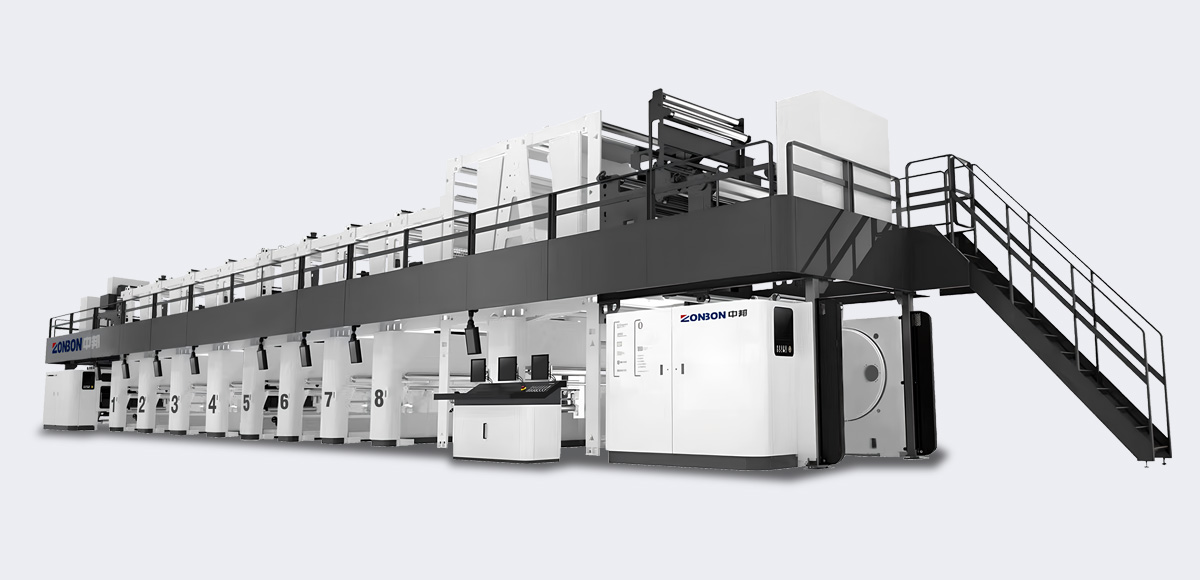
Use a gravure printing press to perform multi-color registration printing on the selected printing layer base material (e.g., BOPP, PET). After completion, inspection and rewinding are usually necessary to ensure print quality.
Step 2: Laminating and Curing
The printed film is bonded with the barrier layer and sealant layer through dry lamination or solventless lamination processes.
Dry Lamination: Uses adhesives, suitable for various materials, stable performance, but has slight solvent residue.
Solventless Lamination: Environmentally friendly, no solvent residue, faster speed, currently the mainstream trend.
The laminated roll film needs to be placed in a curing room at specific temperature (e.g., 40-50°C) and for a specific duration (24-48 hours) to allow the adhesive to fully cure, achieving optimal laminate strength.
Step 3: Slitting
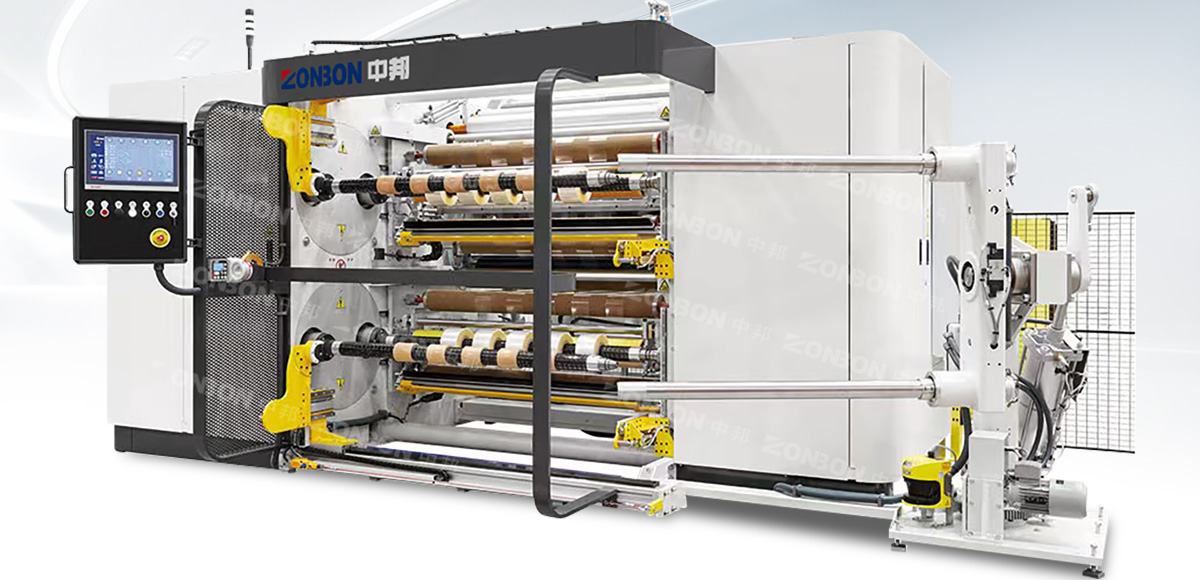
The wide-width laminated film roll is slit into required narrow-width rolls on a slitting machine based on the width of a single bag (including gussets).
Step 4: Back Sealing (Center Sealing) and Gusset Formation
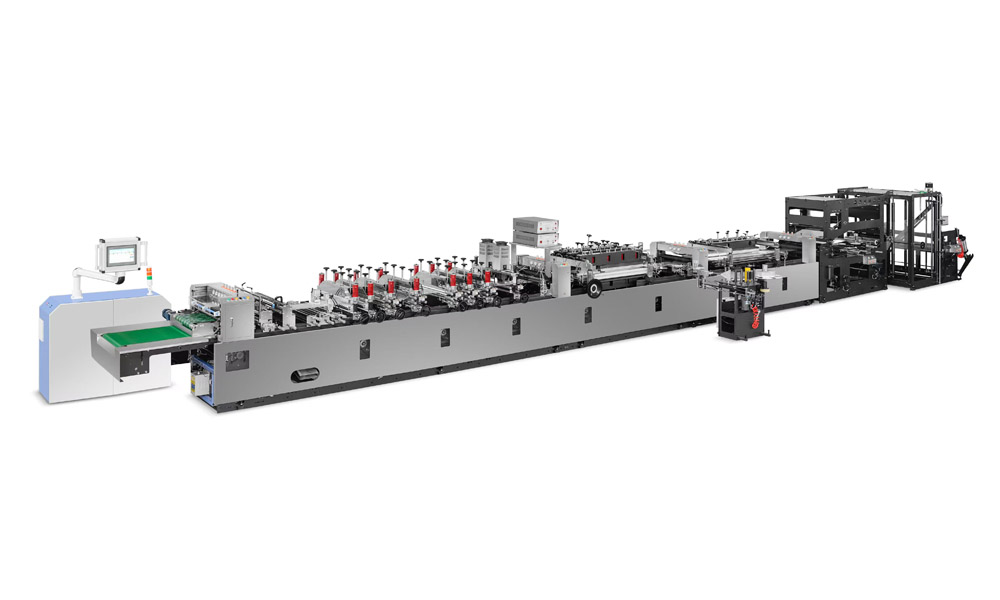
This is the core step, performed on a back-seal bag making machine.
Unwinding and Guiding: The slit film roll is mounted on the back-seal bag making machine and fed through a guide roller system into the former.
Forming and Adding Gussets: The film roll passes over a specific back-seal former (a conical or U-shaped metal component), transforming from a flat sheet into a tube. During this process, special folding devices on the machine simultaneously press in and form the gusset folds on both sides of the film tube.
Center Seal Heat Sealing: The overlapping edges of the tubed film with gussets (i.e., the future back center line of the bag) are longitudinally heat-sealed by the back seal heater, forming a strong back seal line. Simultaneously, photoelectric sensors track printed "registration marks" to ensure sealing position accuracy relative to the pattern.
Cooling and Rewinding: The heat-sealed back-seal tube film is shaped by cooling rollers and then rewound into a large roll, awaiting the next bag-making step.
Step 5: Cross Cutting and Bottom/Top Sealing
This step is performed on a four-side seal bag making machine.
Unwinding: The back-seal gusseted tube film roll obtained from the previous step is mounted on the four-side seal bag making machine.
Transverse Sealing and Cutting: The machine moves the tube film intermittently downward. Each time it moves a bag-length distance, the transverse sealing jaws descend, performing heat sealing and cutting at two positions on the tube film simultaneously.
A single transverse sealing action completes the top seal of the previous bag and the bottom seal of the next bag.
The cutting blade is located between the two transverse seal lines, separating the continuous tube film into individual bags.
Finished Product Output: The completed center-seal four-side seal gusseted bags are automatically stacked or counted and output.
The manufacturing of center-seal four-side seal gusseted bags is a comprehensive technology integrating materials science, mechanical engineering, and process control. Successfully producing high-quality bags relies not only on advanced back-seal bag making equipment but also on a deep understanding of material properties, rigorous pre-press design, and precise control of every detail during production. By following the above professional and rigorous process flow and strictly implementing quality control standards, manufacturers can consistently provide customers with high-performance packaging solutions that meet various needs.
pre: -
next: -
Zonbon, The Most Professional Flexible Printing and Packaging Converting Machines Manufacturer Around You.
© 2011-2025 Zonbon Printing & Packaging Machinery Co., Ltd. All Rights Reserved

