Blogs
We share with you the latest industry trends, try to solve all your questions about flexible packaging machines and printing machines as well. Read our blogs to keep abreast of what’s new in the industry and in Zonbon.

In the increasingly competitive retail market, product packaging has evolved from a purely functional container into a key carrier for brand storytelling, attracting attention, and enhancing user experience. Among these, shaped packaging bags stand out with their unique contours, novel structures, and excellent display effects, becoming a powerful tool for brands seeking differentiation. This article provides an in-depth and systematic analysis of the entire process of shaped packaging bags, from conceptualization to finished product delivery, presenting a professional and rigorous manufacturing blueprint.
Shaped packaging bags refer to all soft packaging bags that are non-traditional rectangles or squares. Their "shaped" nature lies in the unique die-cutting methods used to create planar shapes such as animal forms, product outlines, geometric patterns, and any other possible designs.
1.1 Defining Design Goals and Constraints
Before putting pen to paper, strategic thinking is essential:
Brand and Product Alignment: Does the packaging shape highly align with the brand tone and product attributes (e.g., children's food, high-end gifts, pet supplies)?
Functional Requirements: What type of sealing is needed (e.g., zipper resealable, heat seal)? What are the load-bearing capacity and barrier performance requirements (moisture-proof, oxygen barrier, light-proof)?
Shelf Display Effect: Does the shape help the product stand out on crowded shelves? Is it easy to hang or stand upright?
Cost Budget and Production Efficiency: Complex shapes mean higher plate-making costs and potential material waste. A balance must be struck between creativity and economic efficiency.
Regulations and Logistics: Do the packaging dimensions and shape comply with transportation and storage standards? Do they meet the packaging regulations of the target market?
1.2 Structural Design and Material Selection
This is the core step of engineering creativity.
Structural Design:
Sketches and Conceptualization: Designers outline the flat, unfolded contour of the packaging through hand-drawing or 2D software.
3D Modeling and Rendering: Use professional software (e.g., ArtiosCAD, AutoCAD) to create 3D models, visually preview the final product form, and check structural rationality (e.g., seal edge positions, standing stability).
Die-line Drawing: This is the core instruction for production. Precisely draw the flat, unfolded view of the packaging bag, clearly marking all cutting edges, crease lines (for folding), easy-tear notches, and other features.
Material Selection (Professional and Rigorous Consideration):
Base Materials: Common ones include PET (good stiffness, excellent printability), NY (Nylon, puncture-resistant, high strength), PE (Polyethylene, good heat sealability, soft), CPP (Cast Polypropylene, excellent heat sealability), AL (Aluminum foil, excellent barrier properties), VMPET (Vacuum Metallized PET, aesthetic etc.
Composite Structures: A single material often cannot meet all requirements, so shaped bags mostly use composite film structures. For example:
Regular Snack Bag: BOPP/VMCPP (vibrant appearance, light and moisture barrier, moderate cost)
High-Barrier Coffee Bag: PET/AL/PE (high strength, high barrier, good heat sealability)
Liquid Stand-up Pouch: PET/AL/NY/CPP (impact resistance, high barrier, resistant to high-temperature sterilization)
Selection Basis: Determine the composite structure and thickness of each layer scientifically based on product characteristics (moisture content, oil content, oxidizability), shelf-life requirements, storage conditions, sterilization methods, etc.
1.3 Graphic Design
On the established structure, surface patterns, text, and brand logos are designed. Designers must precisely align the graphics with the die-line to ensure that the final printed pattern does not become misaligned or have key information cut off due to the shape cutting.
2.1 Color Separation and Film Output
Separate the colors in the design draft into CMYK (or spot colors) and output high-precision films. Nowadays, Computer-to-Plate technology is more commonly used, eliminating the film step and offering higher precision.
2.2 Printing Plate and Die-Cutting Plate Production
Printing Plate (Cylinder): Based on the color separation files, use laser engraving technology to create the printing plates for corresponding colors on gravure cylinders.
Die-Cutting Plate: Import the die-line file into specialized equipment. Bend and embed high-carbon steel blades along the contour on a wooden or steel baseplate to create the mold used for punching out the packaging bag's shape. This is the core tool determining the shape precision of the shaped bag.
3.1 Printing
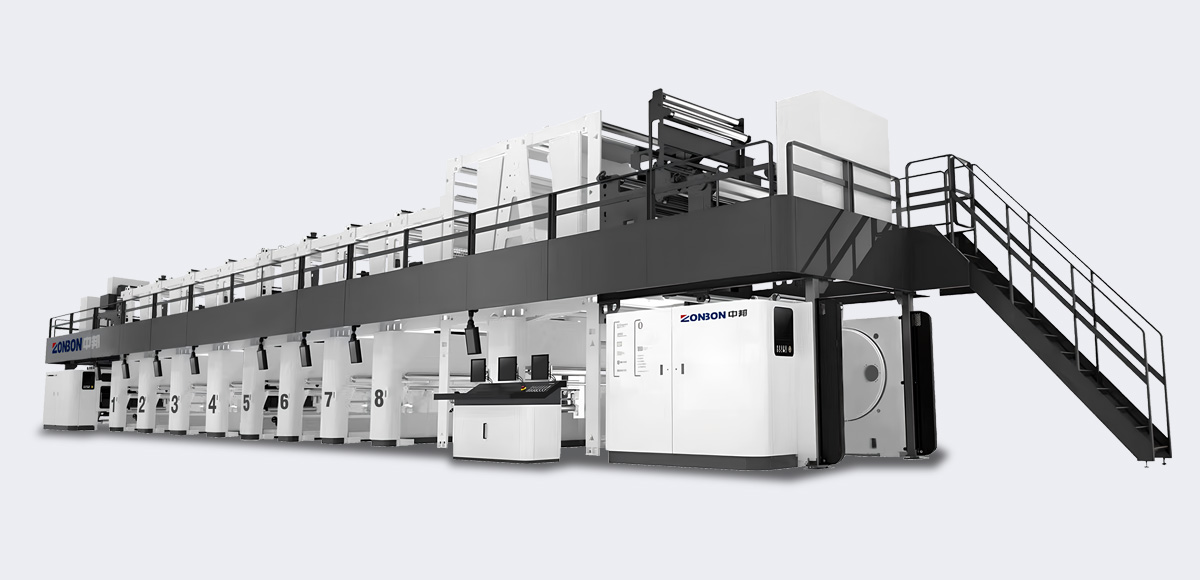
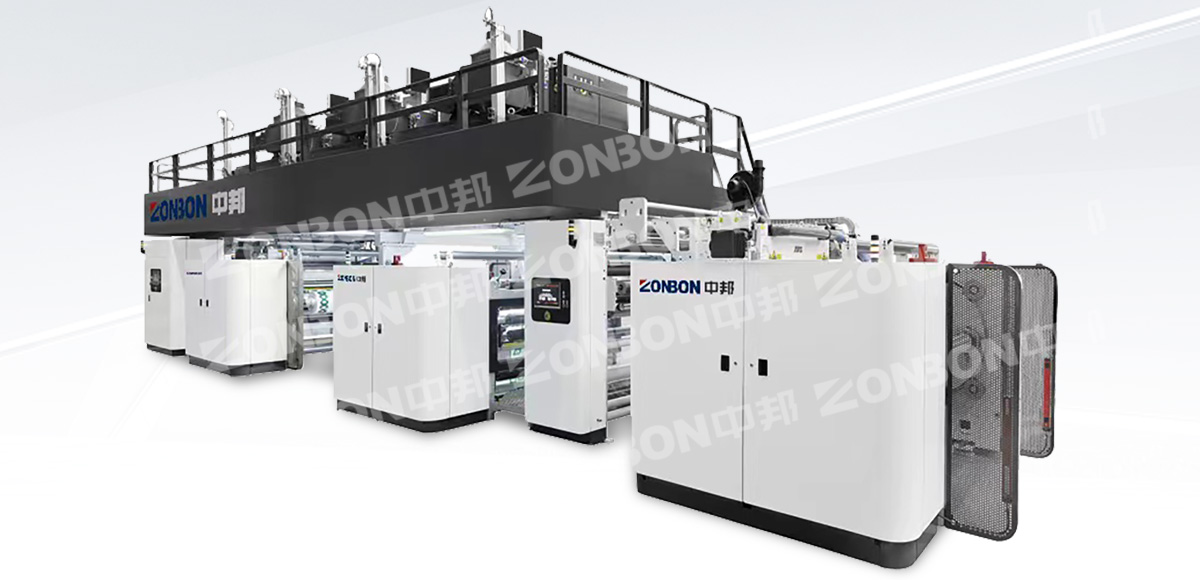
Gravure printing is typically used due to its high color saturation, rich print layers, and strong print durability, making it very suitable for large-volume production of flexible packaging. The top layer film (e.g., PET) of the composite material undergoes multi-color registration printing.
3.2 Lamination and Curing
Lamination: The printed film is bonded with other functional layer films (e.g., AL, PE) through processes like dry lamination, solventless lamination, or extrusion lamination to form a composite material with comprehensive properties.
Curing: The laminated material is placed in a curing chamber and maintained at a specific temperature for a set time, allowing the adhesive to fully react and achieve the final bond strength.
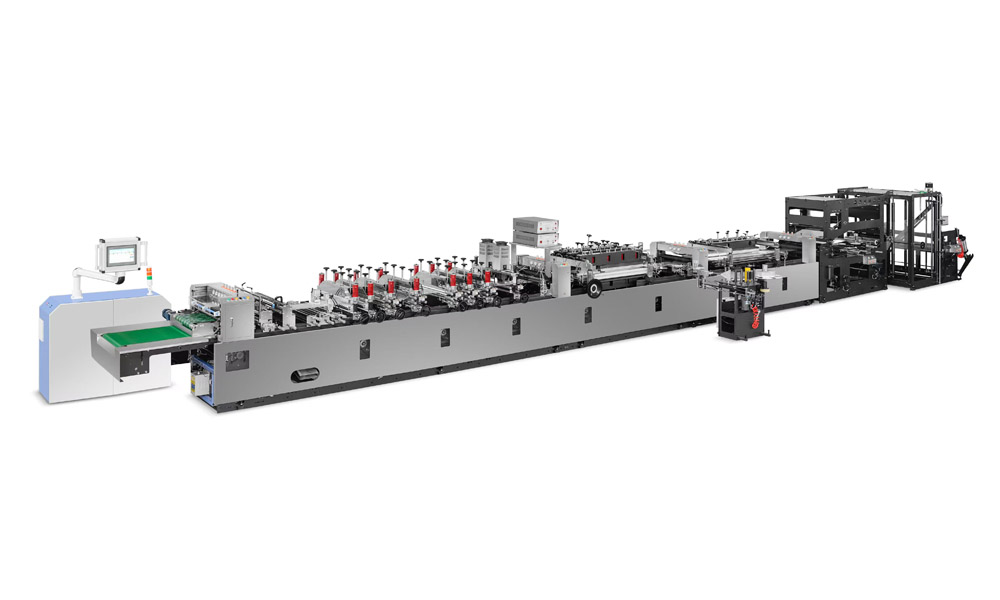
3.3 Slitting and Bag Making
This is the key step where the shaped bag takes form.
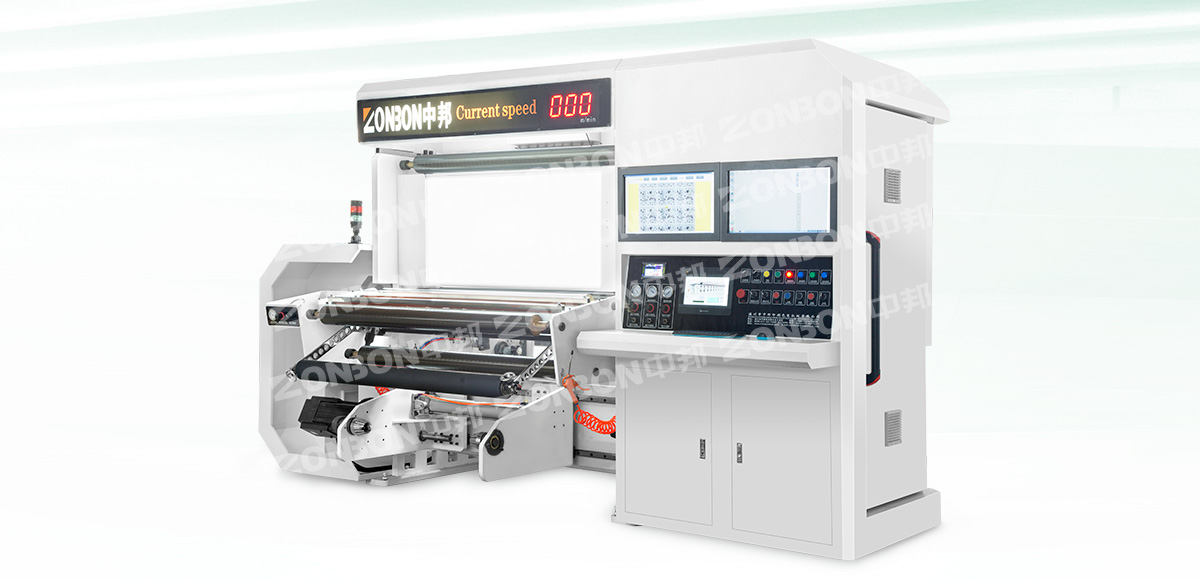
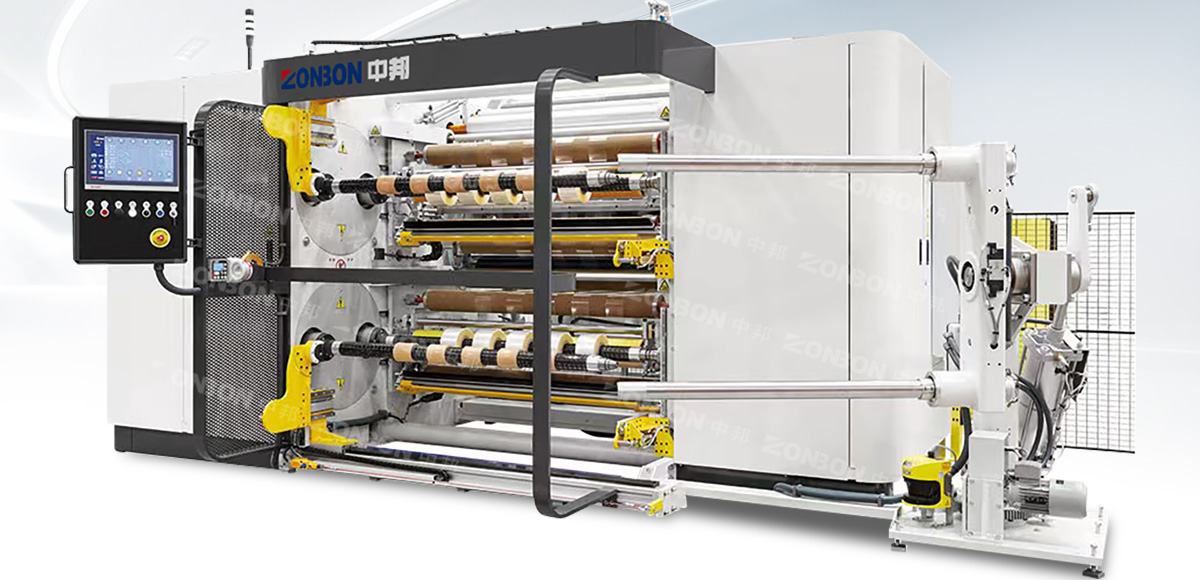
Slitting: The wide composite roll material is slit into narrower rolls matching the bag-making machine's width.
Bag Making:
Back Sealing and Bottom Sealing: The vertical center seal (back seal) and bottom seal of the packaging bag are first completed by the bag-making machine.
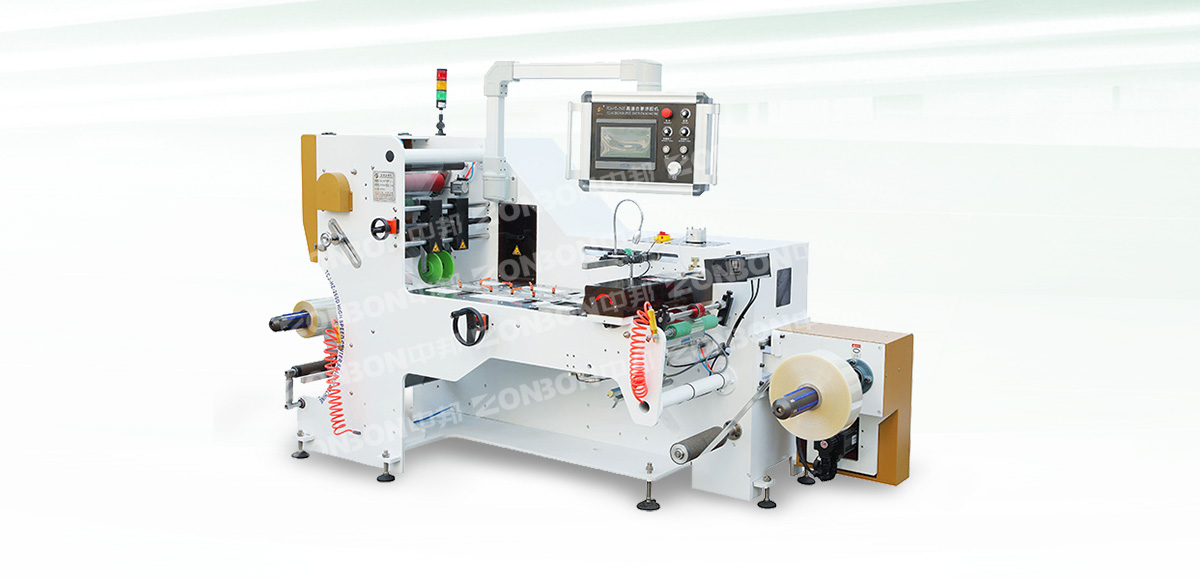
Die-Cutting and Punching: This is the core operation. The bag-making machine feeds the pre-sealed bag blanks to the die-cutting station. Using the pre-made die-cutting plate, precise pressure is applied to punch out the bag's shaped contour, easy-tear notches, handle holes, and all other features in one step.
Waste Removal: The scrap material generated from punching is immediately removed and recycled by the machine's integrated suction system.
3.4 Quality Inspection and Finishing
Online Inspection: Vision inspection systems automatically identify defects such as printing flaws, poor seals, and incomplete cuts.
Offline Sampling: Perform functional tests on finished bags, including seal integrity tests (negative pressure method), pressure resistance tests, and seal strength tests, ensuring flawless performance.
Counting and Packaging: Qualified products are sorted, counted according to specified quantities, packaged, and prepared for shipment.
As a professional partner in the industry, we understand that a successful shaped packaging bag project goes far beyond the above processes. The following points are crucial for ensuring smooth project implementation:
Early Collaboration with the Manufacturer: Involving the packaging manufacturer's expertise during the conceptual design phase can prevent numerous design revisions caused by unrealizable structures, material mismatches, or excessive costs.
Prototyping and Testing are Crucial: Before mass production, always conduct small-batch prototyping. Use physical samples to verify the packaging's standability, usability, seal integrity, and durability under simulated logistics conditions.
Balancing Art and Engineering: The most stunning design loses commercial value if it cannot be produced efficiently and economically. Designers and engineers must work closely to find the optimal balance between artistic expression and production reality.
Sustainability Considerations: Due to their irregular shapes, shaped bags may have lower material utilization rates than standard bags. Explore using mono-material structures (e.g., PE/PE), recyclable materials, or reducing the number of composite layers to enhance environmental performance, responding to global green packaging trends.
The production of shaped packaging bags is a systematic engineering project that integrates creative design, material science, precision machinery, and rigorous craftsmanship. From the initial free-flowing to the final exquisite physical product in hand, each step embodies specialized knowledge and technological. By deeply understanding the entire process outlined above, brand owners can communicate more effectively with supply chain partners, jointly creating outstanding packaging solutions that captivate the market, reliably protect products, and remain cost-effective, thereby gaining a valuable competitive edge in the commercial landscape.
pre: -
next: -
Zonbon, The Most Professional Flexible Printing and Packaging Converting Machines Manufacturer Around You.
© 2011-2025 Zonbon Printing & Packaging Machinery Co., Ltd. All Rights Reserved

