Blogs
We share with you the latest industry trends, try to solve all your questions about flexible packaging machines and printing machines as well. Read our blogs to keep abreast of what’s new in the industry and in Zonbon.
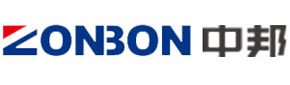
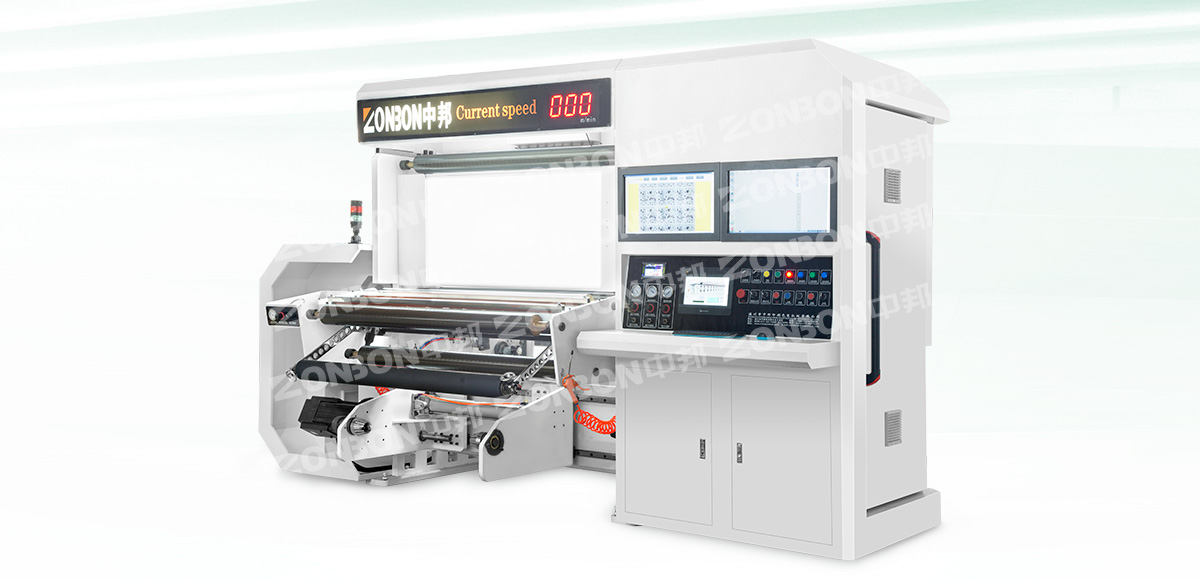
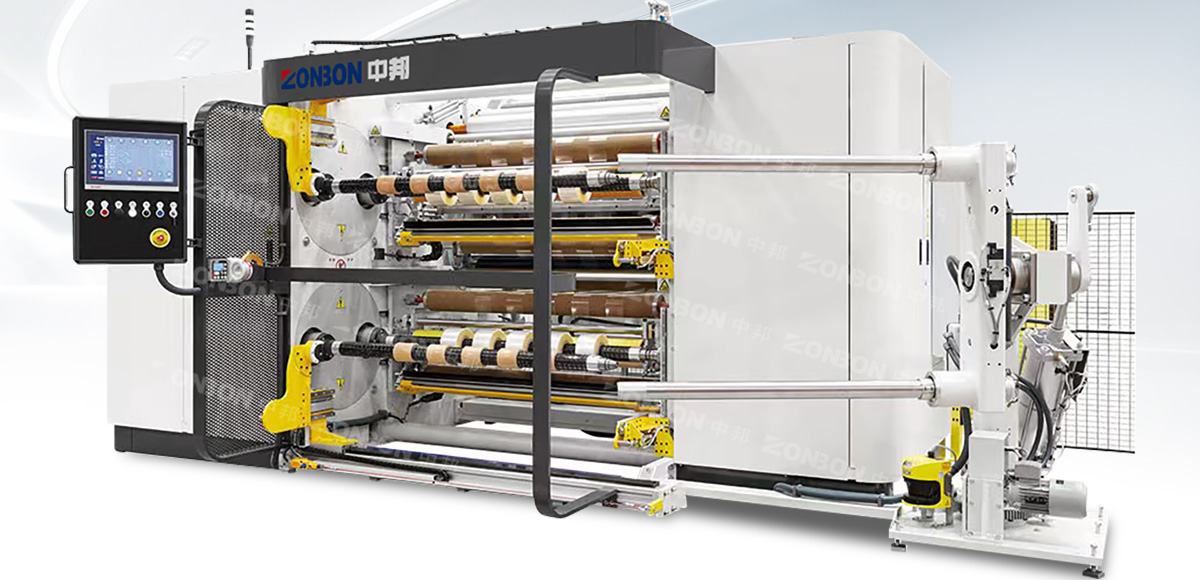
In the modern packaging industry, the slitter, as a core piece of equipment in post-processing, undertakes the critical task of precisely cutting wide-width web materials into rolls of specific widths. Its performance directly impacts production efficiency, material utilization, and final product quality. With the continuous expansion of the global packaging market and accelerated technological iteration, the analysis of slitter price composition and return on investment has become a central topic in equipment procurement decisions for packaging enterprises. This article will conduct an in-depth analysis of the USD price system for packaging slitters from four dimensions: technical configuration, market positioning, cost structure, and long-term value, providing professional reference for industry investors.
Technical Characteristics:
Relatively simple mechanical structure, primarily featuring passive unwinding and rewinding
Control accuracy within ±0.5mm
Slitting speed typically below 200m/min
Suitable for conventional materials like paper, film, etc.
Price Composition:
Mechanical frame and basic drive system: 40-50%
Basic electrical control system: 25-30%
Standard blade assembly: 15-20%
Profit and operational costs: 10-15%
Representative Model: ZONBON Zhongbang Machinery ZB-350 series basic slitter, price range USD 28,000-45,000, meeting basic slitting needs of small and medium-sized packaging enterprises.
Technical Upgrades:
Equipped with servo drive system and closed-loop tension control
Slitting accuracy improved to ±0.2mm
Speed range extended to 200-500m/min
Addition of modules like automatic edge guiding, online inspection, etc.
Core Value Points:
Production efficiency increased by 30-50%
Material waste rate reduced to below 1.5%
Capable of handling special materials like composite materials, metallized film, etc.
Representative Model: ZONBON Zhongbang Machinery ZB-650Pro series, price range USD 85,000-130,000, configured with touchscreen HMI and process parameter storage function.
Technical Characteristics:
Fully automatic roll change, online monitoring, and intelligent diagnostic systems
Slitting accuracy reaching ±0.05mm
Maximum speed exceeding 800m/min
Integrated MES system interface and Industry 4.0 functionalities
Innovation Technology Premium:
Intelligent modules account for 25-35% of total cost
Precision drive and measurement systems: 30-40%
Customized solution design fees: 15-20%
Representative Model: ZONBON Zhongbang Machinery ZB-1200 intelligent slitting production line, basic configuration starting from USD 180,000, fully automatic configuration can reach USD 350,000 and above.
Drive system: Servo motors and drivers account for 15-25% of total cost, Japanese and German brands command a premium of 20-30%
Control system: PLC and touchscreen account for 10-20%, high-end brands (e.g., Siemens, Mitsubishi) increase cost by 15-25%
Measurement system: Laser or CCD inspection systems increase equipment investment by 8-15%
Blade system: Carbide blades cost 40-60% more than high-speed steel blades
Price difference between ordinary paper slitters and film slitters: 15-25%
Adding metal foil processing capability: increases cost by 30-40%
Anti-static and cleanroom configurations: increase investment by 10-20%
Maximum Web Width | Base Price Range | Premium per 100mm Width Increase |
1300mm | 45,000−65,000 | 8−12% |
1600mm | 68,000-95,000 | 6-10% |
2200mm | $120,000-180,000 | 5-8% |
North American market: Similar equipment priced 15-25% higher than Asian market
European market: Affected by CE certification and environmental standards, price increases by 10-20%
Southeast Asian market: Basic configuration models priced 10-15% lower, but high-end model prices converge
Five-year TCO Analysis Model:
Equipment purchase cost: 45-60%
Energy consumption cost: 8-12%
Maintenance: 10-15%
Blade consumables: 15-20%
Downtime loss risk: 5-10%
Traditional asynchronous motor slitter: Energy consumption share 12-18%
Servo-driven slitter: Energy consumption share 8-12%
Energy recovery system: Increases initial investment by 15%, but can be recouped through energy savings within three years
Preventive maintenance: 2-3% of equipment value annually
Corrective maintenance: Can reach 5-8% for low-reliability equipment
Comprehensive maintenance contract offered by ZONBON Zhongbang Machinery: 3.5-4.5% annually
Popularization of intelligent functions: Smart module costs decreased by 40% from 2018-2023, but premium for high-end functions remains at 25-35%
Improvement in accuracy standards: Each 0.1mm improvement in accuracy increases cost by 8-15%
Slowdown in speed competition: Beyond 600m/min, each 100m/min speed increase adds 12-18% cost, with diminishing return on investment
Localization production trend: Asian manufacturing costs 20-30% less than European manufacturing
Localization of key components: Chinese brand high-end servo systems priced 25-35% lower than imports
Global logistics cost fluctuations: Sea freight costs rose from 2% to 5-8% of total equipment cost
EU CE certification: Increases compliance cost by 8-12%
Improved energy efficiency standards: Meeting IE4 efficiency standard increases motor cost by 5-10%
Noise control requirements: Designing for below 75dB increases manufacturing cost by 3-5%
Production Demand | Recommended Configuration | Reasonable Budget Range | Investment Payback Period |
Small batch,multi-variety | Entry-level + basic tension control | 30,000−50,000 | 8−24months |
Medium−Scale standardized production | Mid−rangeservoslitter | 80,000-120,000 | 14-20 months
|
Large-scale high-efficiency production | High-end intelligent slitting system | 180,00−300,000 | 30months |
Specialmaterialprocessing | Customizedprofessionalslitter | 150,000-500,000+ | 24-36 months |
Technical match: Alignment of equipment performance with actual needs should take precedence over brand recognition
Service network: Localized service teams can reduce annual maintenance costs by 30-40%
Upgrade and expandability: Modular design can save 40-60% cost for future upgrades
Payment terms: Flexible installment plans can improve return on investment by 15-25%
Off-season procurement can secure 5-10% price discount
Standardized configurations cost 15-25% less than fully customized ones
Bundling long-term maintenance contracts can reduce initial equipment price by 3-8%
Consider used high-end equipment: Equipment under 3 years old priced at 50-65% of new equipment
As a leading Asian packaging equipment manufacturer, ZONBON Zhongbang Machinery achieves an optimal balance between technical performance and cost control through vertical supply chain integration and scaled production:
Advantage of technology localization: Self-developed servo control systems cost 30% less than imported solutions, with performance reaching 95% of import levels
Modular design philosophy: Customers can configure as needed, avoiding premium payments for unnecessary functions
Full lifecycle support: Provides one-stop service from installation training to regular maintenance, reducing hidden customer costs
Regional pricing strategy: Implements differentiated pricing for different markets, with Asian market prices 15-25% lower than comparable European products
The price analysis of packaging slitters extends far beyond comparing initial quotes. Wise investment decisions should be based on a total cost of ownership model, comprehensively considering technical match, operational efficiency, maintenance costs, and upgrade potential. In the current market environment, mid-to-high-end slitters in the USD 60,000-120,000 range offer the best balance of cost-effectiveness, meeting the production needs of most packaging enterprises while providing good return on investment.
With the deepening of smart manufacturing and sustainable development concepts, the value assessment of slitters is shifting from "equipment cost" to "comprehensive solution value." It is recommended that purchasers engage in in-depth communication with professional suppliers like ZONBON Zhongbang Machinery, conduct small-batch trial production, obtain real performance data, and ultimately make data-driven investment decisions to ensure every dollar invested translates into measurable production efficiency gains and competitive advantages.
Data Note: The price data in this article is based on market research from the first quarter of 2024, covering major market quotes in North America, Europe, and Asia. Actual prices may vary due to configuration, exchange rates, and procurement conditions. It is recommended to obtain targeted quotes and solution evaluations before specific procurement.
pre: -
next: -
Zonbon, The Most Professional Flexible Printing and Packaging Converting Machines Manufacturer Around You.
© 2011-2025 Zonbon Printing & Packaging Machinery Co., Ltd. All Rights Reserved

