Blogs
We share with you the latest industry trends, try to solve all your questions about flexible packaging machines and printing machines as well. Read our blogs to keep abreast of what’s new in the industry and in Zonbon.
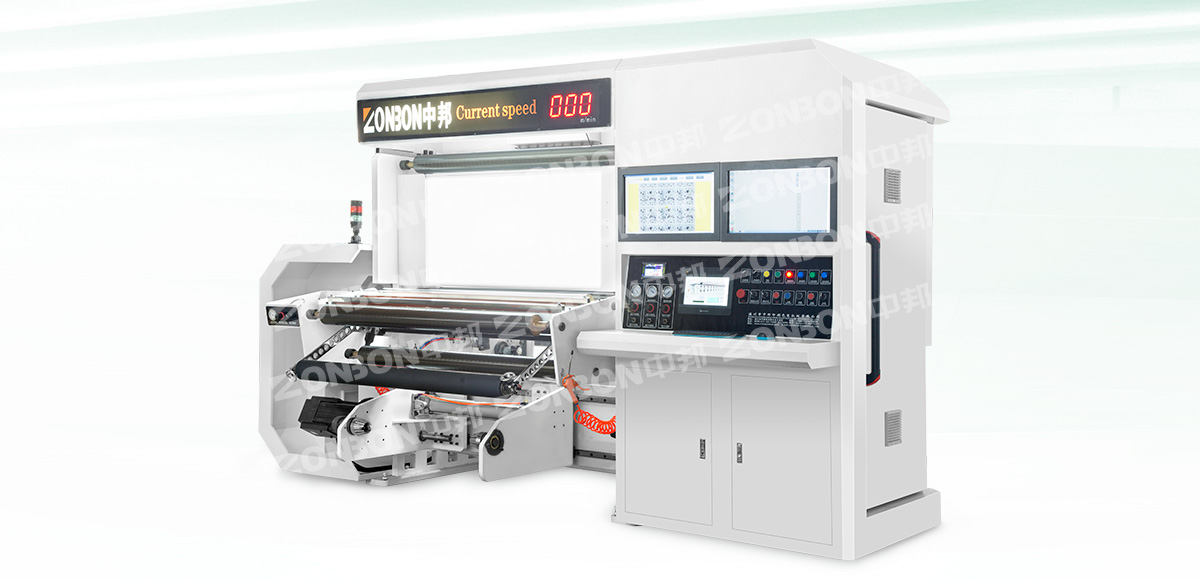
The cost of a slitting machine can vary significantly depending on machine type, material application, automation level, working width, production speed, and configuration requirements. In 2026, the investment range for industrial slitting machines can range from tens of thousands to several hundred thousand US dollars depending on the production requirements.
For buyers planning to invest in film slitting machines, paper slitting machines, foil slitting machines, or adhesive tape slitting machines, understanding the factors behind pricing differences is essential before comparing suppliers.
This guide explains typical slitting machine price ranges, key factors affecting equipment costs, hidden investment considerations, and practical buying advice for global converters and packaging manufacturers.
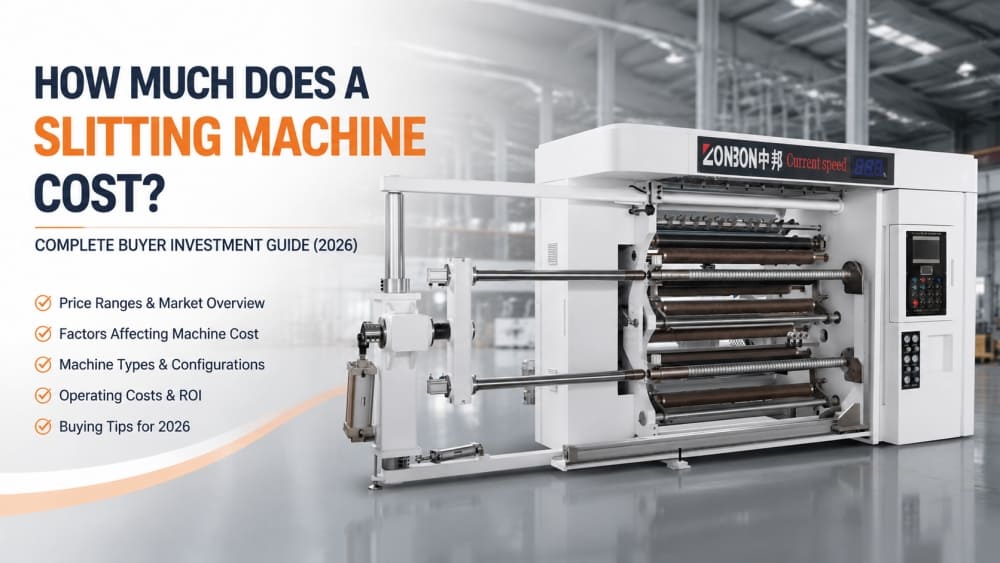
The price of a slitting machine depends mainly on the machine structure, application requirements, automation level, and production capacity. The following ranges provide a general investment reference for buyers planning new equipment purchases.
| Slitting Machine Type | Typical Price Range | Main Applications |
|---|---|---|
| Basic Slitting Machine | $30,000 – $80,000 | Paper, simple film, standard roll materials |
| Automatic Film Slitting Machine | $80,000 – $200,000 | BOPP, PET, PE, CPP films, flexible packaging |
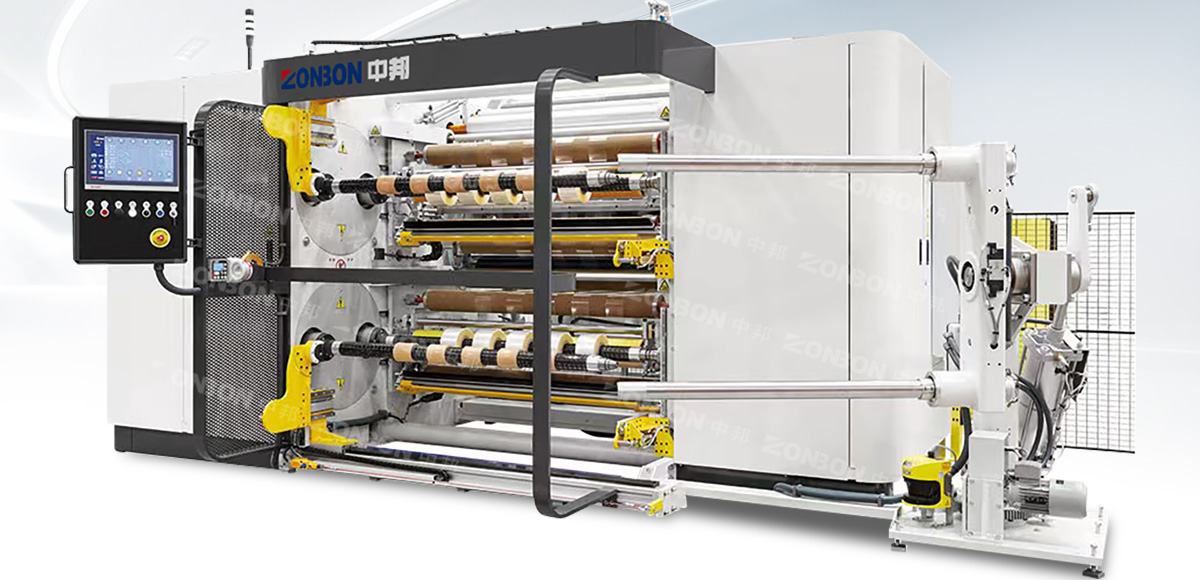
| High-Speed Slitter Rewinder | $150,000 – $500,000+ | Large-scale film and packaging production |
| Specialized Slitting Machine | $100,000 – $400,000+ | Foil, adhesive tape, label, specialty materials |
Two slitting machines may look similar but have significant price differences because their internal systems, automation level, precision requirements, and application capabilities can be completely different.
The processed material is one of the biggest factors affecting machine price. Film, paper, aluminum foil, and adhesive materials have different requirements for cutting methods, tension control, and rewinding performance.
Film slitting machines usually require precise tension control and stable rewinding.
Paper slitting machines focus on productivity and roll handling.
Foil slitting machines require careful material protection.
Adhesive tape slitting machines require specialized cutting and rewinding systems.
Wider machines generally require stronger frames, larger rollers, more powerful drives, and higher manufacturing costs.
| Working Width | Typical Application |
|---|---|
| 600-1000 mm | Small and medium converters |
| 1200-1600 mm | Flexible packaging production |
| 1800 mm+ | Large film manufacturers |
Automation has a major impact on slitting machine cost. Fully automatic machines require more advanced control systems, servo motors, sensors, and automatic handling functions.
| Configuration | Features |
|---|---|
| Manual / Semi Automatic | Lower investment, suitable for smaller production |
| Automatic | Better efficiency and reduced labor requirements |
| High Automation | Automatic tension control, positioning, unloading and data management |
| Cost Factor | Impact on Investment |
|---|---|
| Cutting System | Razor, shear, and crush cutting systems have different costs and applications. |
| Tension Control | Advanced tension systems improve roll quality but increase machine cost. |
| Servo System | Higher precision servo drives increase automation and stability. |
| Inspection System | Web inspection and defect detection add additional investment. |
| Rewinding Structure | Different shafts and winding methods affect machine configuration. |
The purchase price is only part of the total investment. Buyers should also consider additional costs during equipment operation.
Installation and commissioning
Operator training
Spare parts inventory
Maintenance costs
Energy consumption
Production downtime risk
Choose equipment based on actual material requirements rather than maximum specifications.
Compare manufacturers based on application experience and technical capability.
Request production videos or customer application examples.
Evaluate after-sales support before purchasing.
Consider future production expansion requirements.
A slitting machine is a long-term production investment rather than a simple equipment purchase. For packaging converters and material processors, the return on investment depends on production efficiency, material waste reduction, labor savings, product quality improvement, and machine reliability.
A higher-priced slitting machine may provide better long-term value if it improves productivity, reduces downtime, and delivers more consistent finished rolls.
| Factor | Impact on ROI |
|---|---|
| Production Speed | Higher output capacity can reduce production cost per roll and improve order fulfillment ability. |
| Material Waste Reduction | Accurate cutting and tension control help reduce edge waste and defective rolls. |
| Labor Efficiency | Automatic functions reduce manual operation requirements and improve productivity. |
| Machine Stability | Reliable equipment reduces downtime and unexpected maintenance costs. |
| Product Quality | Consistent roll quality helps manufacturers meet customer requirements and reduce complaints. |
Different materials require different slitting technologies. The machine configuration, cutting system, tension control requirements, and rewinding structure all influence the final investment cost.
| Material Application | Typical Machine Type | Main Cost Considerations |
|---|---|---|
| Plastic Film (BOPP, PET, PE, CPP) | Film Slitting Machine | High precision tension control, stable rewinding, high-speed operation |
| Paper Rolls | Paper Slitting Machine | Roll handling, cutting accuracy, production efficiency |
| Aluminum Foil | Foil Slitting Machine | Material protection, clean cutting, tension stability |
| Adhesive Tape | Tape Slitting Machine | Special cutting methods, adhesive material handling |
| Label Materials | Label Slitting Machine | Precision cutting and roll quality requirements |
The best slitting machine is not always the most expensive model. Buyers should select equipment according to their production requirements, target materials, expected output, and future business plans.
For small converters or companies entering a new market, a basic or semi-automatic slitting machine may provide a practical starting point with lower initial investment.
Suitable for standard materials
Lower automation level
Suitable for small and medium production volumes
Many packaging manufacturers choose automatic slitting machines because they provide a balance between investment cost, production efficiency, and operating flexibility.
Automatic tension control
Higher production stability
Suitable for flexible packaging production
Large film manufacturers and packaging converters usually require high-speed slitter rewinders with advanced automation, precision control systems, and continuous production capability.
High production speed
Advanced automation systems
Lower cost per unit output
Before requesting quotations from manufacturers, buyers should prepare detailed production information. This helps suppliers recommend a suitable machine configuration instead of simply providing a standard price.
| Question | Why It Matters |
|---|---|
| What materials will be processed? | Different materials require different cutting and tension systems. |
| What is the maximum roll width? | Determines machine size and working configuration. |
| What output capacity is required? | Helps determine speed and automation level. |
| What finished roll quality is required? | Affects rewinding accuracy and control systems. |
| Will production expand in the future? | Helps avoid purchasing equipment that becomes limiting later. |
Different production applications require different machine structures. Buyers should select equipment based on their actual materials and finished product requirements.
For flexible packaging films: Film Slitting Machines
The investment for a slitting machine depends on your material requirements, production capacity, automation expectations, and long-term business goals. A suitable machine should provide reliable performance, stable product quality, and reasonable operating costs throughout its service life.
Instead of choosing equipment based only on the lowest purchase price, buyers should evaluate the complete value including production efficiency, maintenance requirements, technical support, and future expansion possibilities.
A slitting machine typically costs between $30,000 and $500,000 or more depending on machine type, working width, automation level, speed, and application requirements. Basic machines are suitable for standard materials, while high-speed automatic slitter rewinders require higher investment for advanced control systems and precision components.
The main factors affecting slitting machine price include material application, machine width, production speed, automation level, cutting system, tension control, rewinding method, and optional inspection or automation systems. Different configurations can create significant price differences between similar-looking machines.
An automatic slitting machine is usually worthwhile for companies requiring higher production efficiency, lower labor costs, and consistent roll quality. Although the initial investment is higher, automatic functions can improve productivity, reduce material waste, and provide better long-term operating value.
Low-cost slitting machines generally provide basic cutting functions, while higher-cost machines include advanced tension control, servo systems, automation, precision rewinding, and improved production stability. The difference is mainly reflected in efficiency, reliability, finished roll quality, and long-term operating costs.
A film slitting machine commonly costs around $80,000 to $200,000, while high-speed models for large flexible packaging production can exceed $500,000. The final cost depends on film type, working width, production speed, tension control requirements, and automation configuration.
Paper slitting machines are often less expensive than high-precision film slitting machines because many paper applications require simpler tension control and rewinding systems. However, large-width paper processing lines with high automation can also require significant investment.
Buyers should provide material type, thickness range, maximum roll width, finished roll size, production speed, daily output, cutting requirements, and automation expectations. Detailed production information helps manufacturers recommend suitable equipment instead of offering a general configuration.
A well-maintained industrial slitting machine can typically operate for 10 years or longer depending on usage conditions, maintenance frequency, operating environment, and component quality. Regular maintenance and timely replacement of wear parts help extend equipment service life.
The most important features are stable tension control, accurate cutting, reliable rewinding, and consistent finished roll quality. A machine with higher speed but unstable operation may create more waste and operating costs than a slightly slower but more reliable solution.
Customized slitting machines are recommended when buyers process special materials, require unique roll sizes, or need integration with existing production lines. Standard machines may be suitable for common applications, but customization can improve production efficiency for specialized requirements.
Explore more technical and purchasing guides to better understand slitting machine selection, applications, and production requirements.
The cost of a slitting machine depends on much more than the initial purchase price. Material requirements, production capacity, automation level, machine precision, and long-term operating performance all influence the total investment value.
For global packaging converters and material processors, the right purchasing decision should focus on matching machine capability with actual production needs. A properly selected slitting solution can improve productivity, reduce waste, and provide stable performance throughout the equipment lifecycle.
pre: -
next: -
Zonbon, The Most Professional Flexible Printing and Packaging Converting Machines Manufacturer Around You.
© 2011-2025 Zonbon Printing & Packaging Machinery Co., Ltd. All Rights Reserved