-
I. Core Technical Principles and Classification of Beverage Label Shrink Sleeve SeamingMachines
1.1 Technical Working Principles
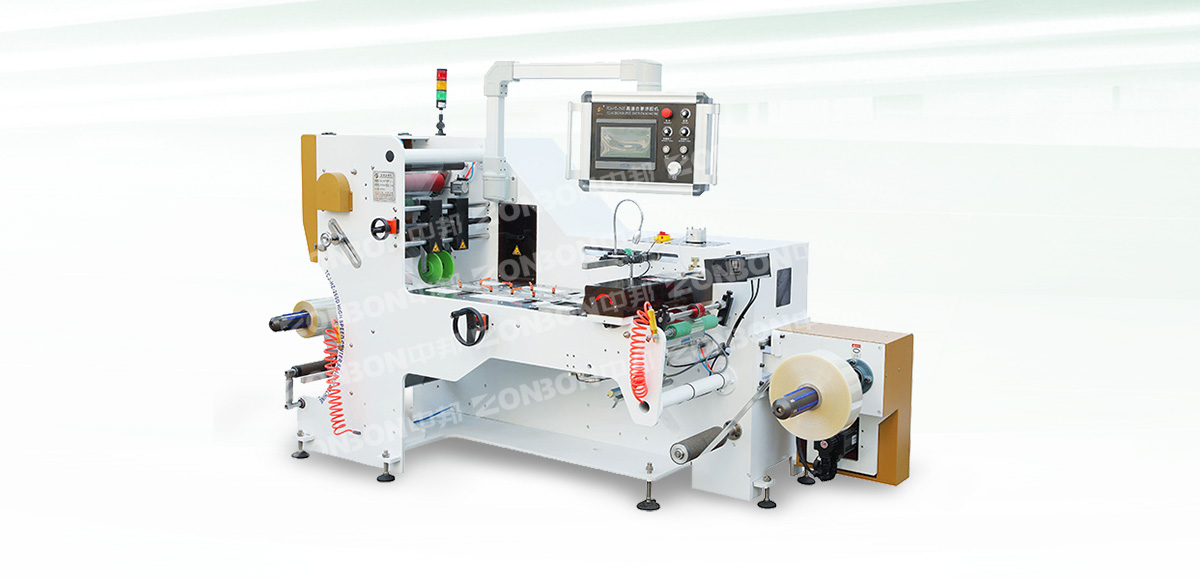
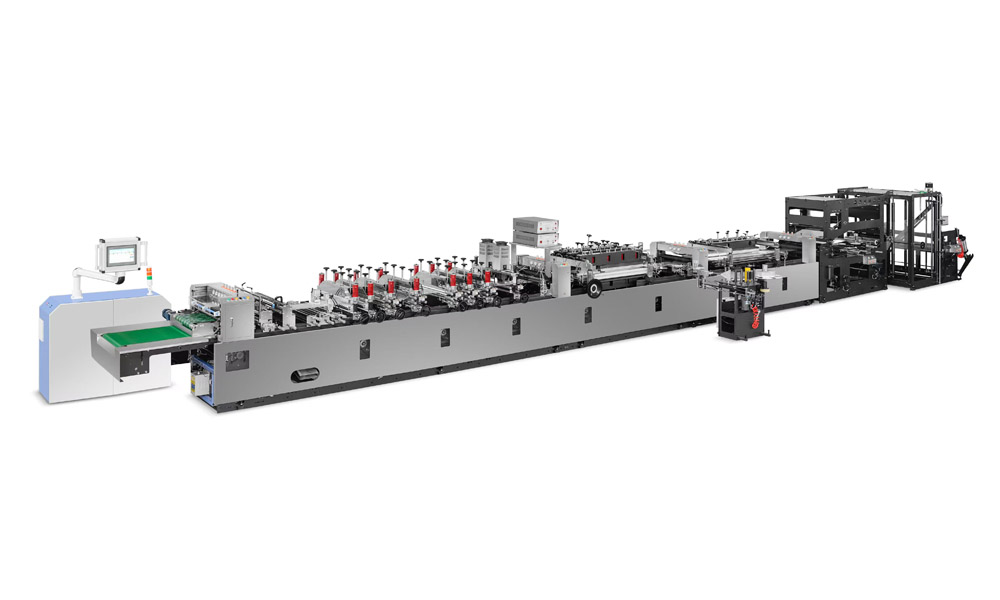
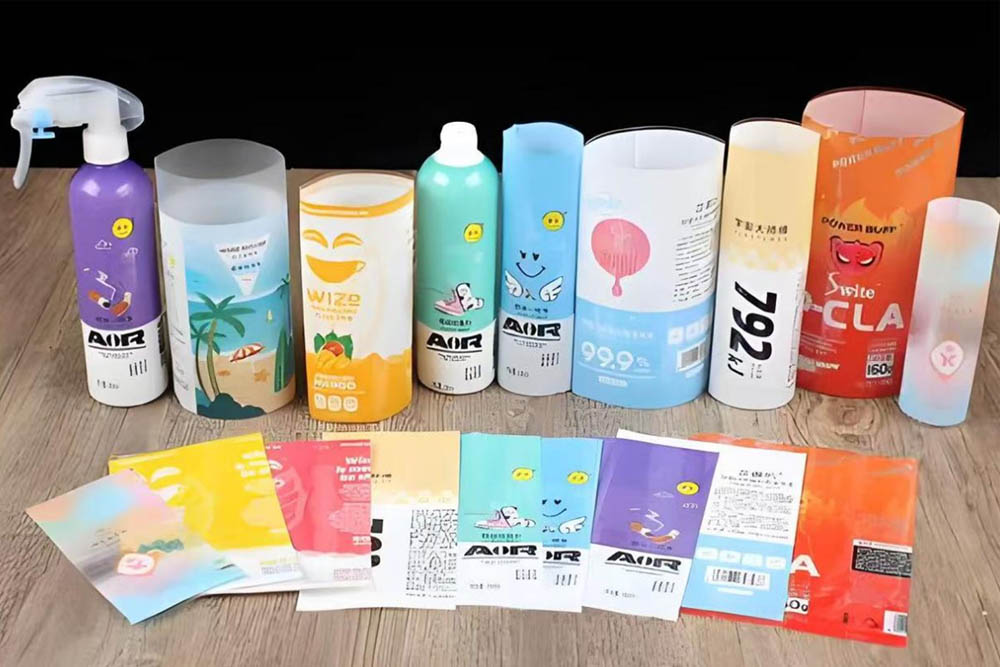
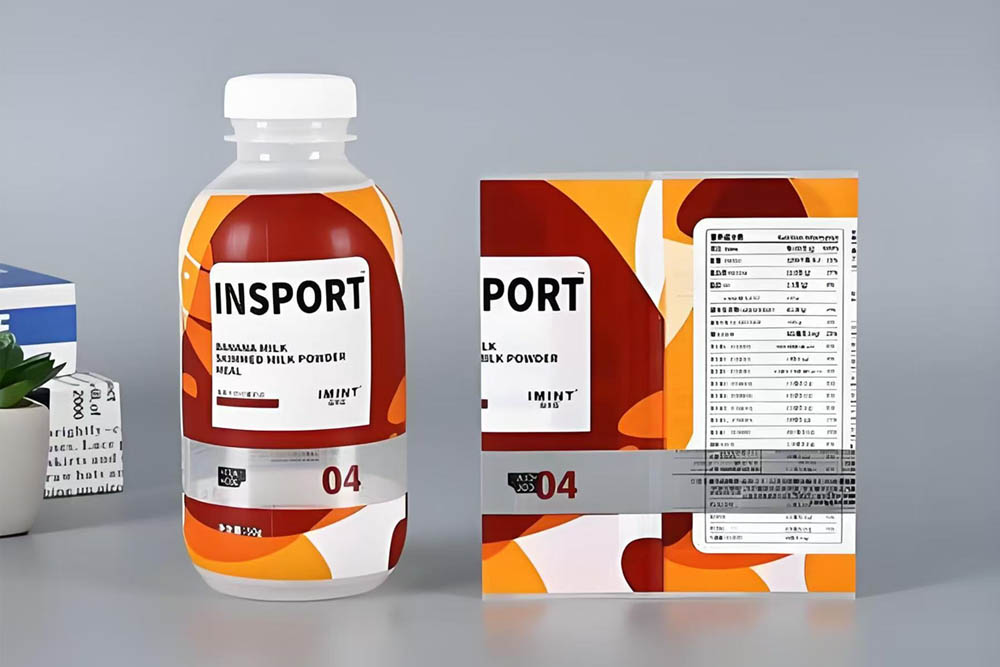
The core function of a label seaming machine (also known as a label lap machine or label butt joint machine) is to precisely align and bond the two ends of flat label material, forming a perfect cylindrical label for subsequent sleeve labeling processes. Its workflow typically includes:
Material Conveyance and Positioning: Smoothly transports label material to the seaming station via a precision transmission system.
Adhesive Application: Applies an appropriate amount of adhesive (hot melt glue, cold glue, or self-adhesive material) to one or both ends of the label.
Precise Alignment: Uses photoelectric sensors or vision systems to position and align the label ends within a set overlap range.
Compression and Curing: Ensures a strong bond through pressure rollers or belts, forming a complete cylindrical label.
1.2 Main Equipment Types
Based on technical approaches and application requirements, beverage label seaming machines are primarily categorized as follows:
By Adhesive Technology:
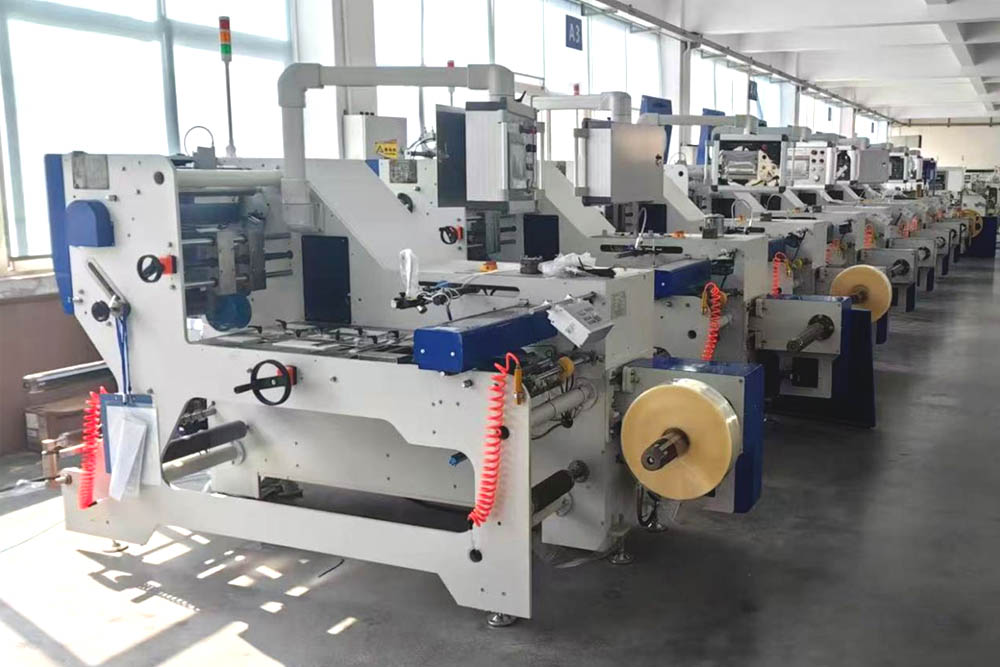
Hot Melt Glue Seaming Machines: Utilize hot melt glue systems for fast curing and high bond strength, suitable for high-speed production lines.
Cold Glue Seaming Machines: Use water-based or solvent-based adhesives, offering lower costs and suitability for environmentally sensitive scenarios.
Self-Adhesive Material Seaming Machines: Employ pre-coated label materials activated by pressure, eliminating the need for external adhesive systems.
By Automation Level:
Fully Automatic Seaming Machines:Integrate automatic feeding, detection, seaming, and output, ideal for large-scale continuous production.
Semi-Automatic Seaming Machines: Require manual intervention for some processes, suitable for small-to-medium batches or diverse production needs.
By Applicable Label Materials:
Film Label Seaming Machines: Specialized for plastic films like PET, PVC, and OPP.
Paper Label Seaming Machines: Suitable for coated paper, specialty paper, and other paper-based labels.
Composite Material Seaming Machines: Handle special materials such as paper-plastic or aluminum-plastic composites.
-
II. Analysis of Main Application Areas :
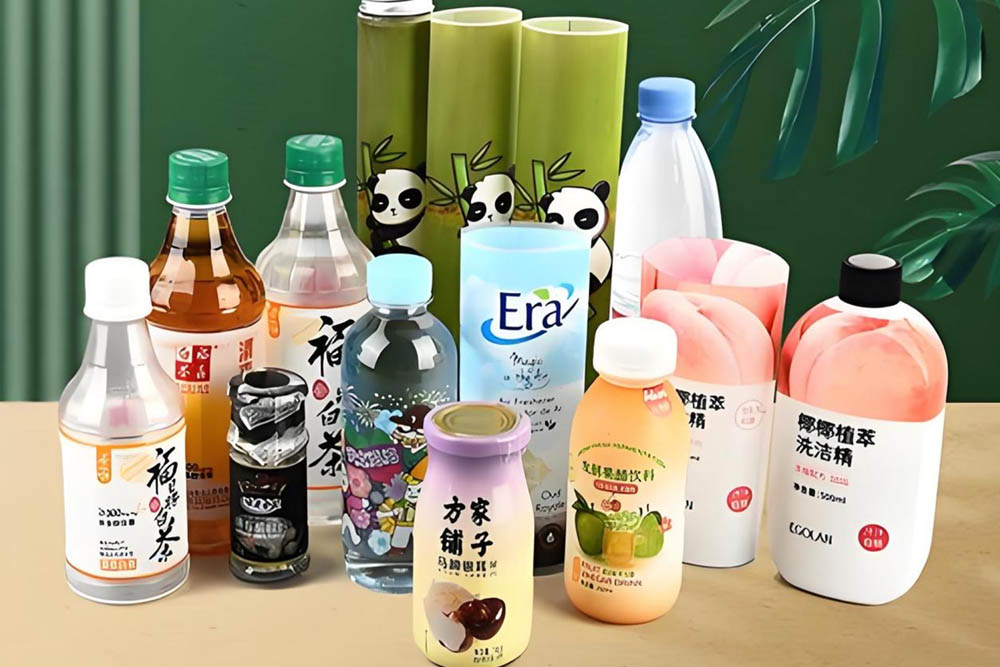
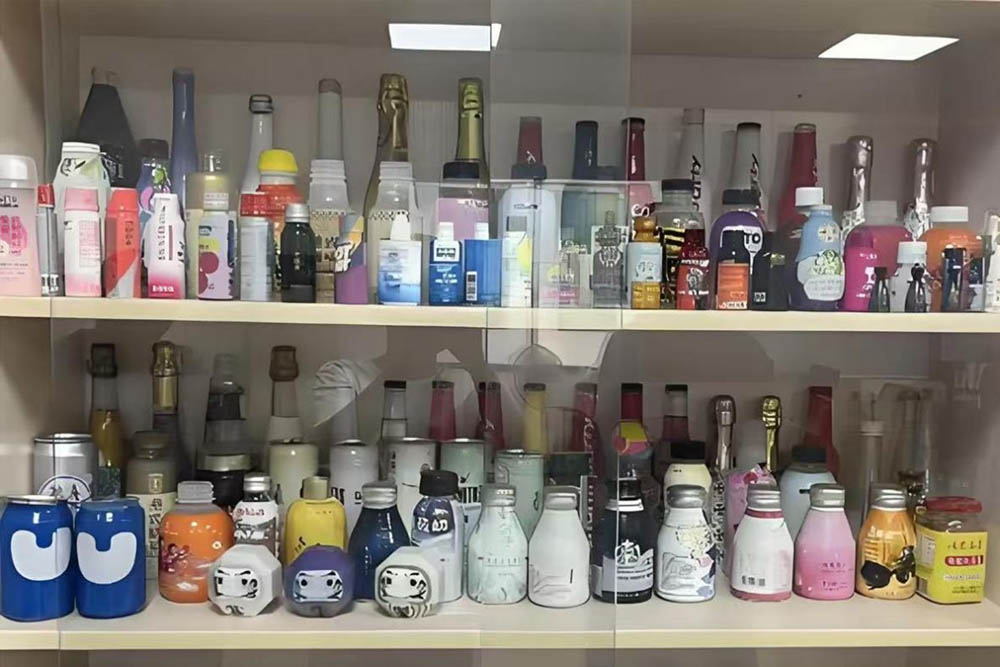
Suitable for label application on containers like PET bottles and glass bottles, covering products such as mineral water, juice, alcohol, carbonated beverages, condiments, daily chemicals, pharmaceuticals, health products, and industrial goods.
Must accommodate different bottle shapes (round, square, irregular) and label materials (paper, film, shrink labels).
2.1 Food and Beverage Industry
In food packaging, label shrink film seaming machines are widely used for:
Bottled beverages: Shrink labeling for mineral water and drink bottles.
Canned foods: Label application on metal and glass cans.
Condiment packaging: Label sealing for containers like soy sauce and vinegar bottles.
Dairy products: Label packaging for yogurt cups and milk bottles.
Industry Requirements: Compliance with food hygiene standards and quick mold-changing capabilities for multi-variety production.
2.2 Daily Chemical Industry:
Personal care products: Label packaging for shampoo and body wash bottles.
Household cleaning products: Label sealing for detergent and disinfectant containers.
Cosmetics packaging: Precision label application for perfume bottles and skincare containers.
Industry Requirements: Emphasis on packaging appearance quality, requiring high-precision alignment and excellent visual effects.
Pharmaceutical and Health Product Industry
Pharmaceutical packaging: Shrink labeling for medicine bottles and boxes.
Medical devices: Label application for some device exteriors.
Health product packaging: Labeling for bottled or boxed health products.
Industry Requirements: High cleanliness standards, GMP compliance, and focus on sealing and anti-counterfeiting features.
2.4 Industrial Product Sector
Chemical products: Packaging for industrial items like lubricants and additives.
Automotive parts: Labeling for certain components.
Electronics: Label sealing for batteries and small electronic components.
III. Performance Metrics of Beverage Label Seaming Machines
3.1 Precision and Quality Metrics
Seaming precision: Typically within ±0.5mm, with high-end machines achieving ±0.2mm.
Seam strength: Must withstand stresses from subsequent sleeving, conveying, and heat shrinking.
Appearance quality: No visible glue marks, bubbles, or wrinkles at the seam, ensuring label aesthetics.
3.2 Efficiency and Productivity Metrics
Maximum operating speed: Ranges from low-speed models (60 meters/minute) to high-speed models (500 meters/minute).
Changeover time: Full-auto systems reduce changeover to under 5 minutes.
Uptime: High-end machines achieve over 95%, minimizing production interruptions.
3.3 Adaptability and Flexibility
Material compatibility: Handles label thickness, width, and material types.
Size adjustment range: Adapts to minimum and maximum label circumferences.
Adhesive system compatibility: Supports different adhesive types.
3.4 Smart and Integration Capabilities
Data collection and monitoring: Tracks seaming quality, equipment status, and production data in real time.
Fault diagnosis and alerts: Smart systems preemptively warn of potential issues.
Production line integration: Seamless connectivity with upstream printers and downstream sleeving machines.